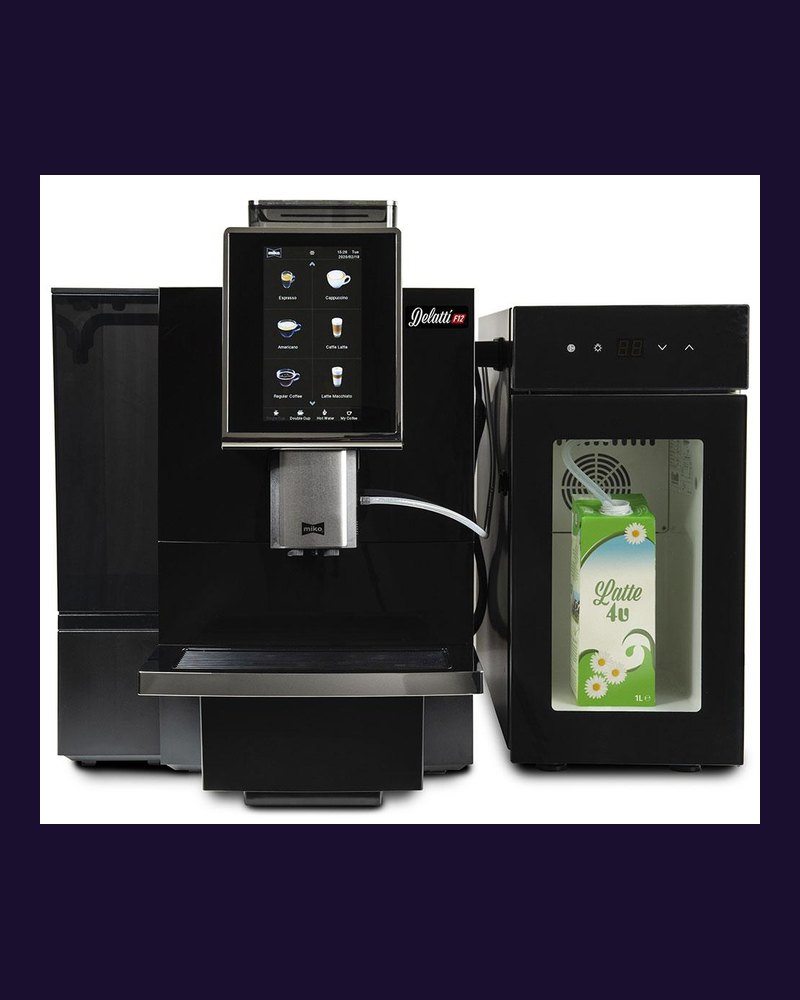
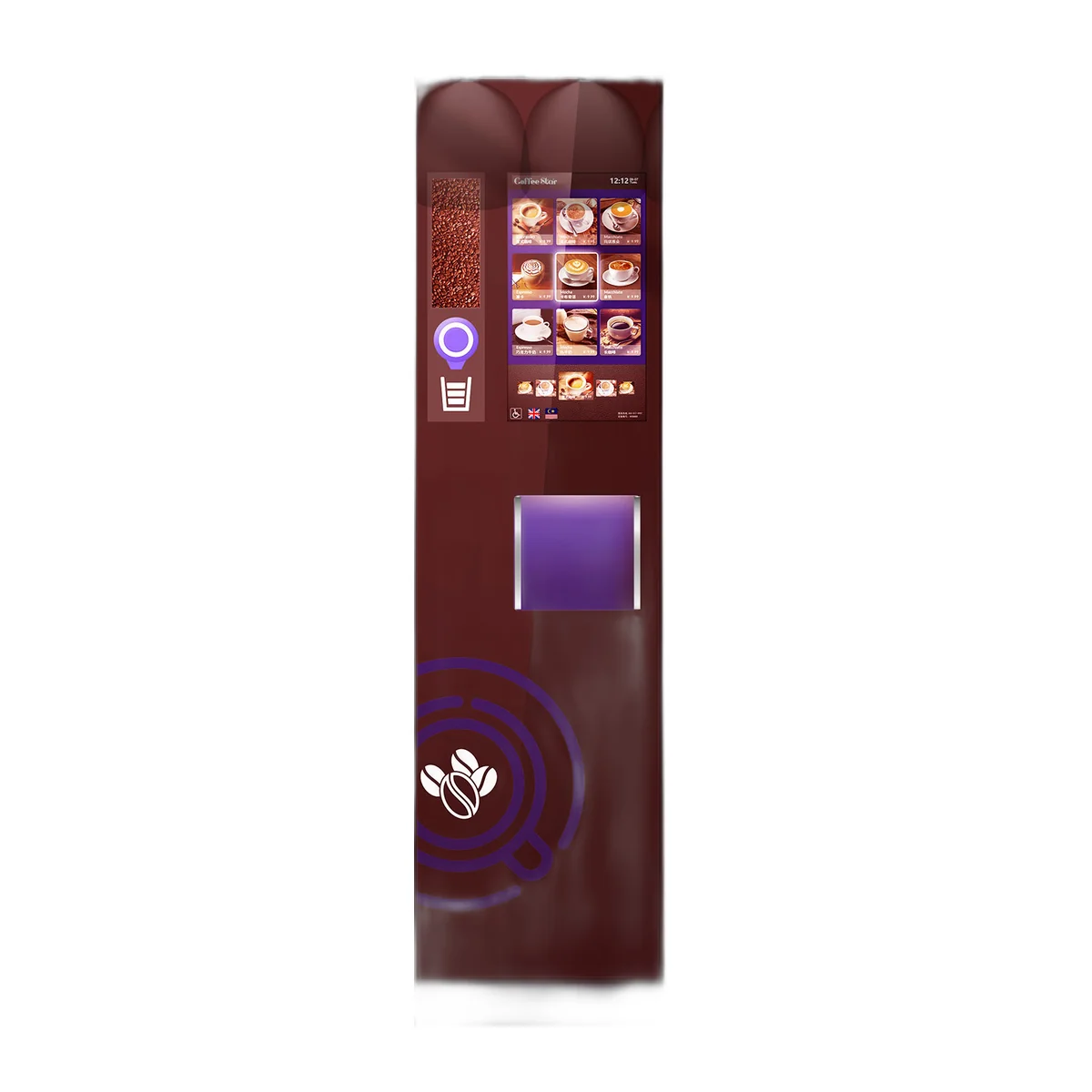
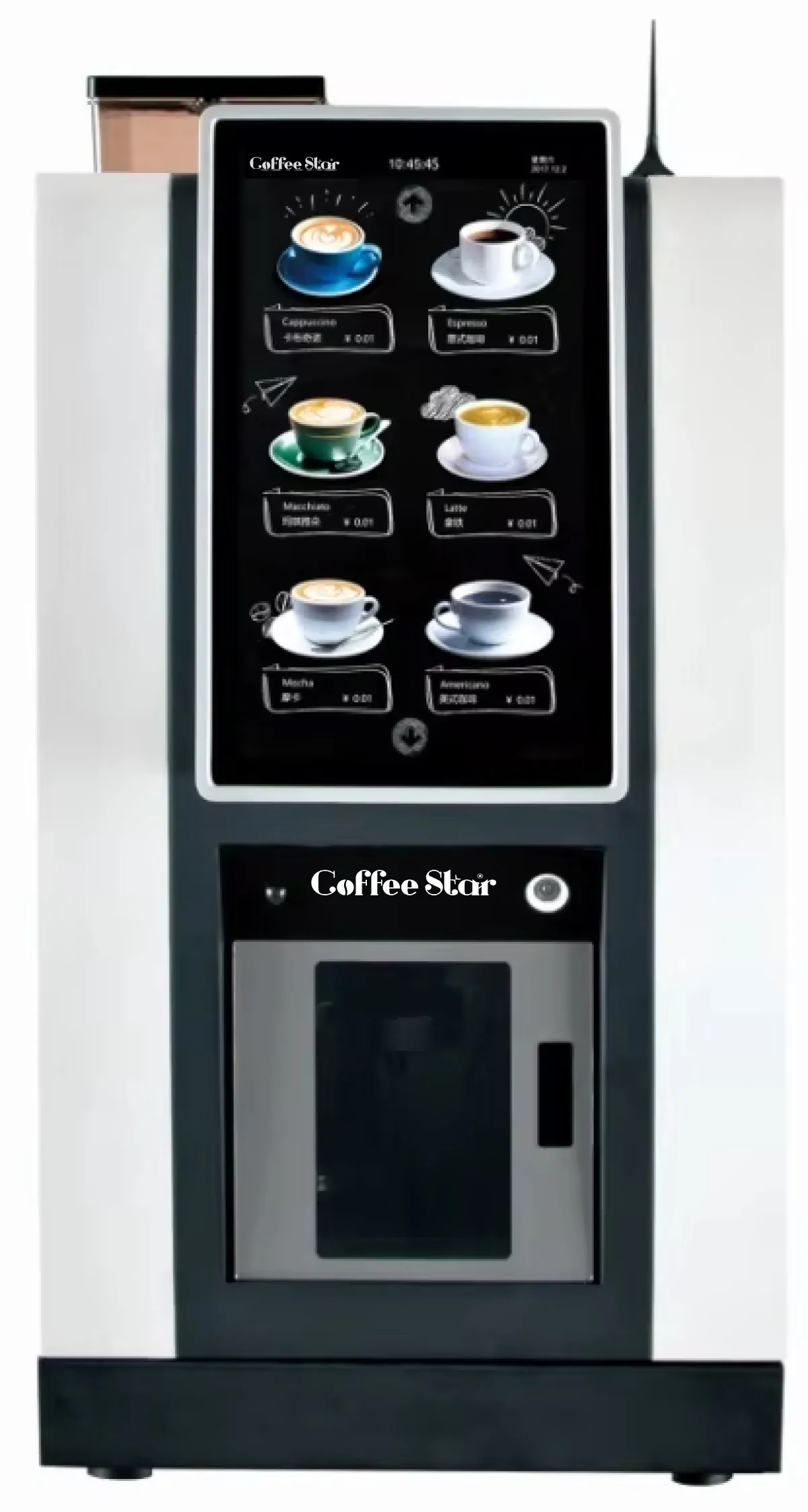
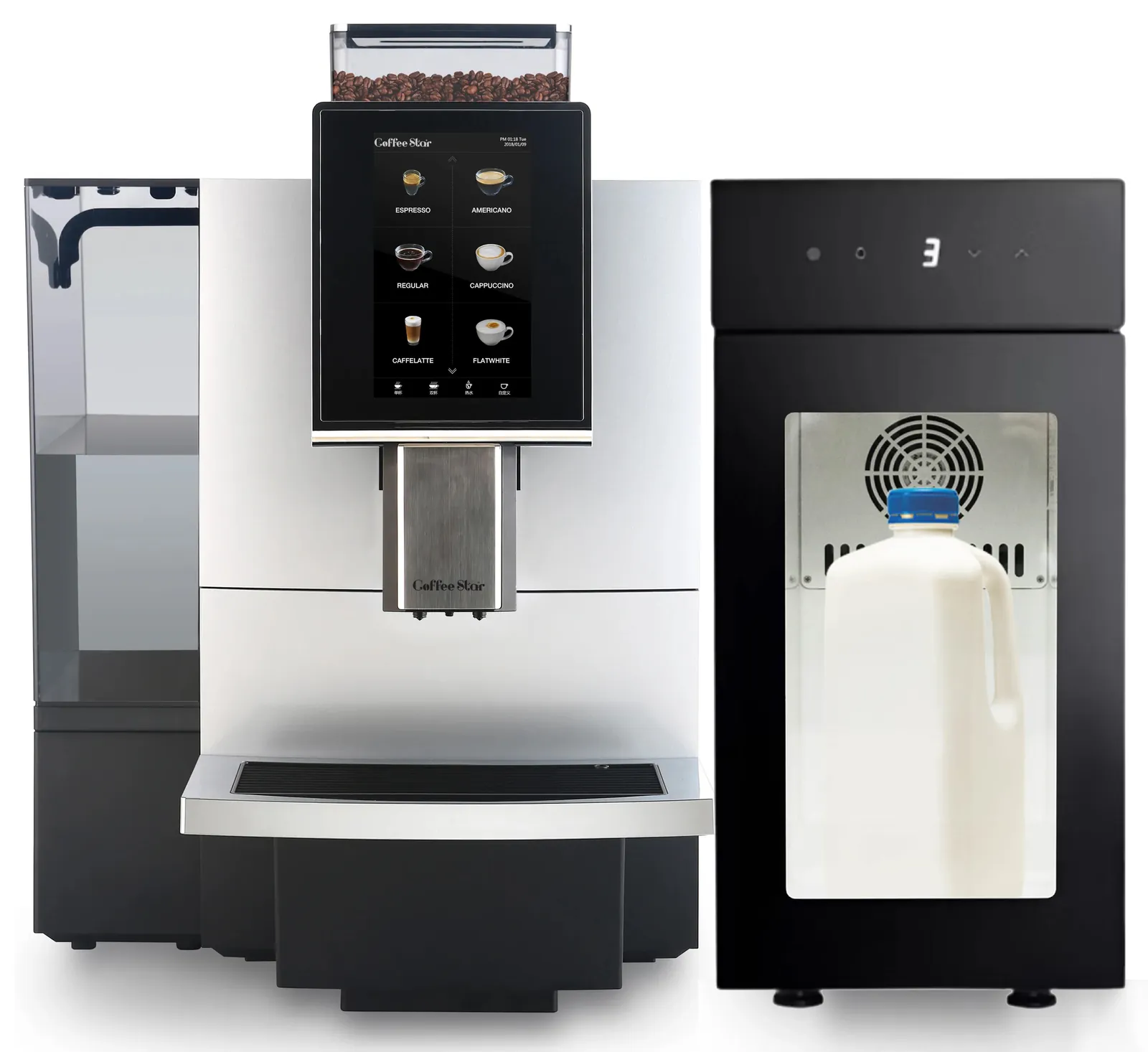
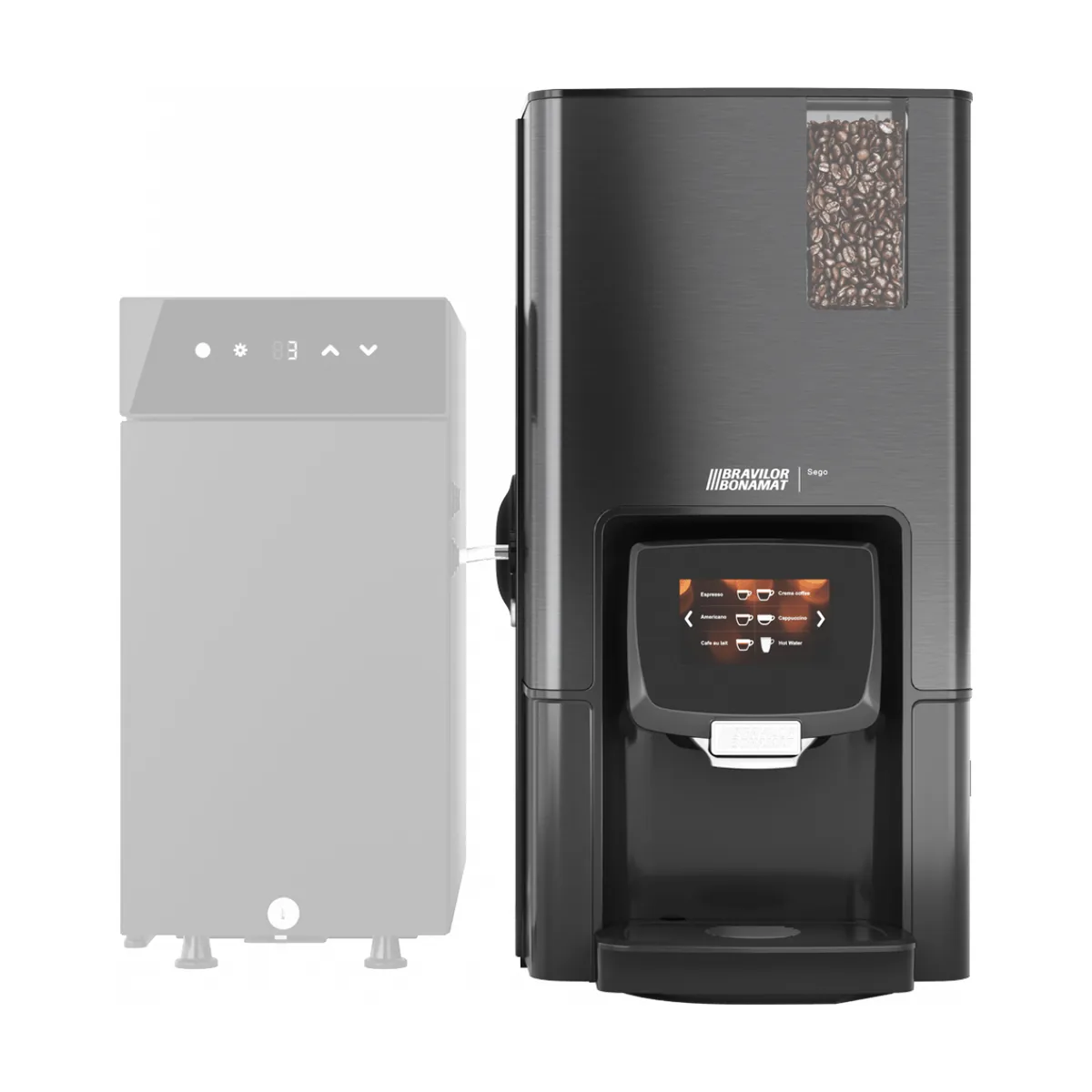
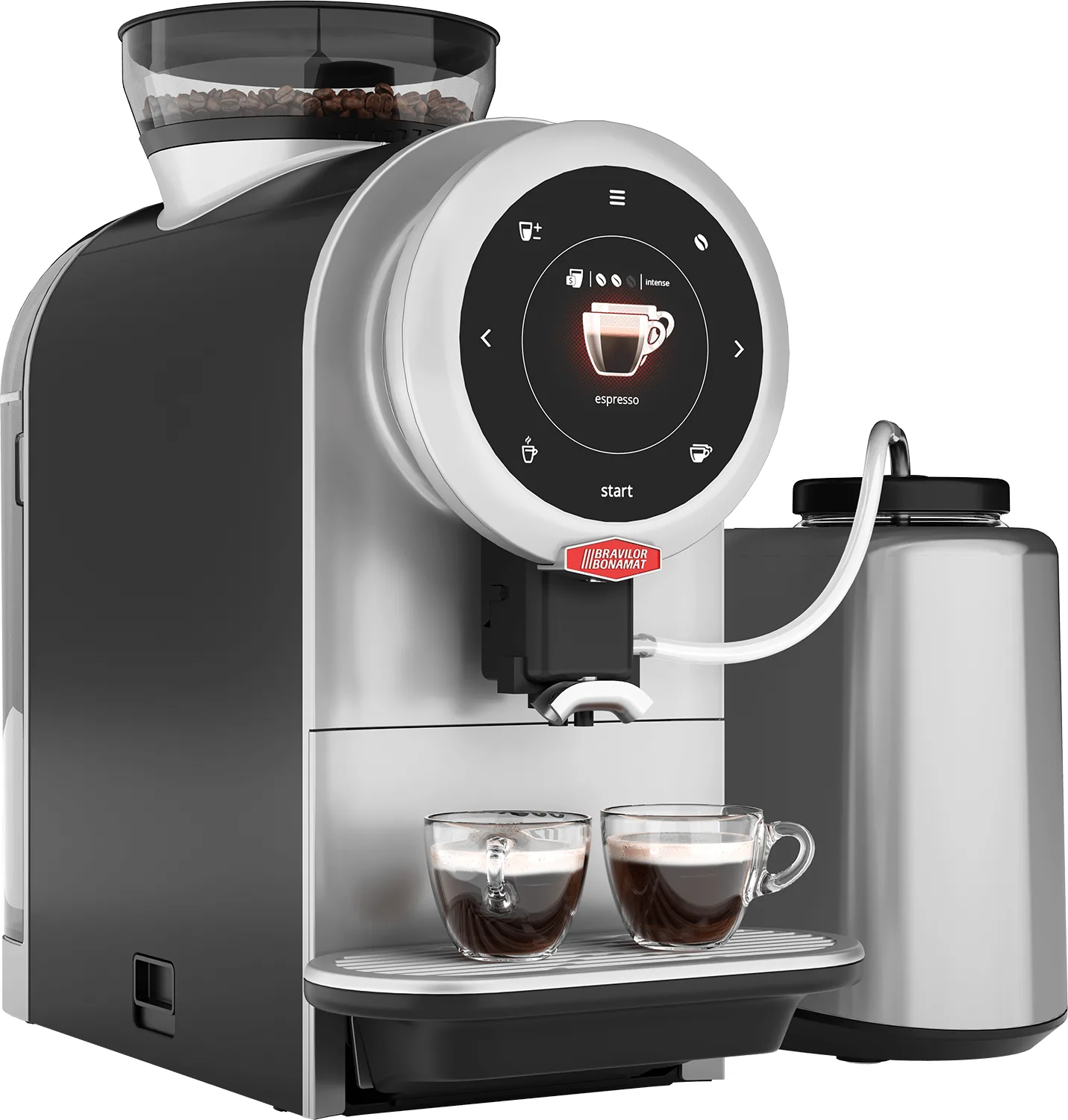
Every cup of coffee leaves something behind. Globally, the coffee industry produces an estimated 6 million tonnes of spent coffee grounds per year — most heading to landfill. In Malaysia, even a single Auto-Barista machine generates 5–10 kg of grounds per week. Multiply across 114+ locations, and you have an organic resource sitting idle.
Bean2Blossom is the Coffee Star answer: a circular economy program that collects spent coffee grounds from our nationwide Auto-Barista network and converts them into organic compost for urban farming, landscaping, and community greening initiatives. It won the SME ESG Challenge 2025/2026, jointly organised by SME Corp Malaysia and the United Nations Global Compact Network Malaysia & Brunei (UNGCMYB).
How Bean2Blossom works
- Collection — Used coffee grounds extracted from each Coffee Star Auto-Barista during regular service visits across our 114+ Peninsular Malaysia locations
- Aggregation — Grounds consolidated at our Shah Alam HQ before transport to composting partners
- Composting — Through controlled aerobic decomposition, spent grounds converted into nutrient-rich organic compost over 6–8 weeks
- Distribution — Finished compost supplied to urban farms, school gardens, mosque landscaping projects, and municipal greening initiatives
- Reporting — Volumes and impact metrics tracked and reported as part of Coffee Star UN Global Compact (UNGC ID 153705) participation
Why coffee grounds make exceptional compost
Spent coffee grounds are nitrogen-rich (around 2% nitrogen by dry weight) with a near-neutral pH after composting. They contain magnesium, potassium, and phosphorus — the three macronutrients plants need most. When composted properly, coffee grounds also improve soil structure, water retention, and microbial activity.
Critically, composted coffee grounds suppress certain plant pathogens (notably Pythium and Fusarium fungi), making the resulting compost particularly valuable for vegetable and flower cultivation.
Why we built Bean2Blossom
When we started Coffee Star in 2021, we made a commitment that ESG would be built into operations, not bolted on as marketing. Every Coffee Star machine is essentially a small organic-waste generator. The question was not whether to do something with that — it was how to do it at scale, with measurable impact, and in a way that benefited Malaysian communities.
Bean2Blossom answers all three:
- Scale — 114+ Auto-Barista locations generate enough grounds to make collection commercially viable
- Measurable — Every kilogram of grounds diverted is a kilogram out of landfill, tracked in our reporting
- Local benefit — Finished compost goes to Malaysian urban farms and community projects, not export
Recognition
- 🏆 SME ESG Challenge 2025/2026 — Winner (SME Corp Malaysia + UN Global Compact Network Malaysia & Brunei)
- 📺 Featured on TV9 Borak SeeNI — National television feature on the Coffee Star ESG initiative
- 🤝 Personal recognition by Minister Steven Sim at the SME Corp Bean2Blossom showcase
- 🌍 Aligned with UN SDG 12 (Responsible Consumption), SDG 13 (Climate Action), and SDG 15 (Life on Land)
What is next: MyCelium
Bean2Blossom is the first stage of a broader circular economy vision. The next stage in development is MyCelium — using spent coffee grounds as substrate for gourmet mushroom cultivation. Coffee grounds are a proven medium for oyster mushrooms (Pleurotus ostreatus) and other species, with significantly higher nutritional yield per kg of substrate than the compost route alone.
We are building MyCelium as a partnership program with B40 community groups — providing the substrate, the training, and the buy-back agreement so that mushroom cultivation becomes a viable income stream for participating households.
How to participate
Urban farms and landscaping projects in Malaysia interested in receiving Bean2Blossom compost can email talktous@coffeestar.my with subject “Bean2Blossom Compost Partnership”.
Hosts of Coffee Star Auto-Barista machines are automatically integrated into Bean2Blossom — there is nothing extra to set up. Coffee grounds are collected during routine service visits.
Community organisations interested in MyCelium pilot participation can email talktous@coffeestar.my with subject “MyCelium Community Pilot”.
Leave a Reply